“We just can’t communicate anymore.”
It’s one of the most common things couples say when they come to counseling.
And usually, the problem isn’t that either person has forgotten how to talk. The problem is that you’re talking – but you’re not actually connecting.
Maybe one of you wants to resolve an argument immediately while the other needs time to process. Maybe one person shuts down when conflict starts, while the other keeps pushing for an answer. Maybe you’ve had the same argument so many times that you already know exactly how it’s going to end.
Over time, these patterns can create distance, resentment, and frustration.
The good news? Communication is a skill. And skills can be learned.
Here are four ways to start creating healthier communication in your relationship.
1. Calm Down Before You Try to Work It Out
When you’re angry, anxious, hurt, or overwhelmed, you’re not communicating at your best. Learning to recognize and manage those emotions is an important part of mental health counseling in Gillette, Wyoming and can make a significant difference in how you communicate with the people closest to you.
You may say something you don’t mean. You may become defensive. You may shut down completely. You may start treating your partner like the enemy instead of the person you’re trying to understand.
So before you try to solve the problem, slow things down.
Take a few deep breaths. Give yourself a moment. If you need to step away, do it – but make a plan to come back to the conversation.
Try saying:
“I’m too frustrated to have this conversation well right now. Can we take a break and come back to it?”
Taking a break isn’t the same as avoiding the problem.
Sometimes, it’s what allows you to actually solve it.
2. Say What You Feel Without Attacking Your Partner
You shouldn’t have to swallow your feelings just to keep the peace. But there’s a big difference between being honest and being hurtful.
Instead of:
“You never listen to me.”
Try:
“I feel like I’m not being heard right now.”
Instead of:
“You always make everything about you.”
Try:
“I need to feel like my perspective matters, too.”
Using “I” statements doesn’t mean avoiding difficult conversations. It means taking responsibility for what you’re feeling without turning the conversation into an attack.
And try to retire the words “always” and “never.”
When someone feels blamed, they’re much more likely to defend themselves than hear what you’re actually trying to say.
Your goal isn’t to win the argument.
Your goal is to be understood.

3. Stop Planning Your Comeback and Start Listening
Here’s a simple test:
While your partner is talking, are you actually listening – or are you already preparing your response?
If you’re thinking about what you’re going to say next, building your rebuttal, or waiting for your turn to explain why they’re wrong, you’re probably not listening.
Real listening means slowing down enough to understand what your partner is actually saying.
Try this:
Listen.
Reflect.
Ask.
For example:
“So you’re saying you felt like I dismissed you when I walked away. Is that right?”
Then ask a question if you need clarification.
You don’t have to agree with everything your partner says. You don’t even have to see the situation the same way.
But understanding your partner’s perspective is very different from agreeing with it.
Sometimes, people don’t need you to fix the problem. They need to know you heard them.
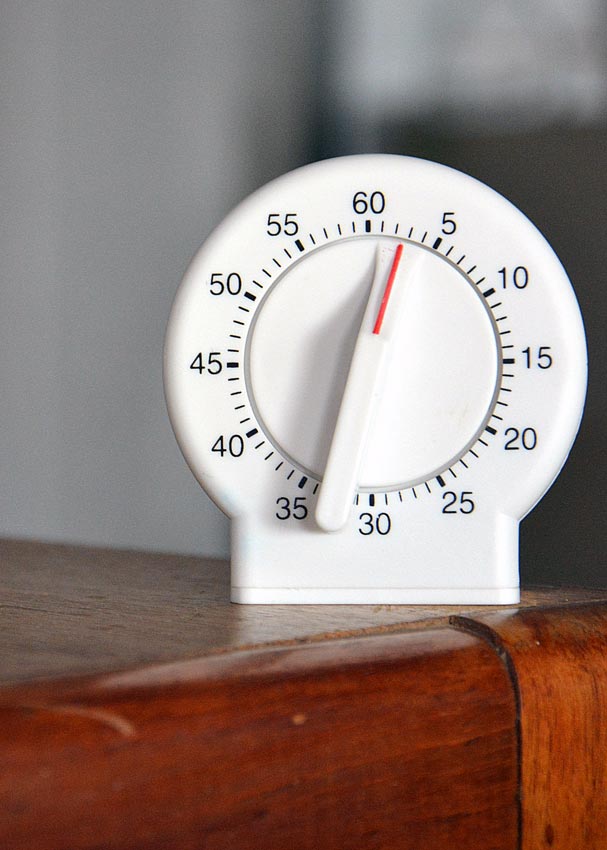
4. Put a Time Limit on Difficult Conversations
Some couples believe they have to keep talking until they’ve completely solved the problem.
That’s not always productive.
When a conversation goes on for an hour, emotions can rise, defenses can go up, and both people can stop hearing what the other is saying.
Try something different.
Set a short amount of time to talk about one specific issue. Five minutes each can be enough to start. One person speaks while the other listens. Then switch.
You can ask questions, clarify what you heard, and decide whether you need another conversation later.
The goal isn’t to solve your entire relationship in one night. The goal is to have one better conversation than you had yesterday.
Communication Isn't About Who's Right
Healthy communication doesn’t mean you and your partner will never disagree.
You will.
You’re two different people with different experiences, personalities, needs, and perspectives.
The goal is learning how to disagree without damaging the relationship in the process.
That means:
- Taking a breath before reacting
- Saying what you actually feel
- Listening instead of preparing your defense
- Avoiding blame and personal attacks
- Giving each other space when emotions are high
- Coming back to difficult conversations instead of avoiding them
Small changes in how you communicate can create major changes in how connected you feel.
When Communication Problems Keep Turning Into the Same Fight
Sometimes couples know exactly what they should be doing but still can’t seem to break the pattern.
You shut down.
Your partner pursues.
You get defensive.
They get louder.
You both walk away angry.
Then a few days later, it happens again.
That’s when couples counseling in Gillette, Wyoming can help.
At Step Stone Counseling in Gillette, Wyoming, couples can work on communication, conflict, connection, and the patterns that keep creating the same problems.
You don’t have to wait until your relationship is falling apart to ask for help.
In fact, getting help while you still want to make the relationship work can be one of the best times to start.

Better Communication Starts With One Conversation
You don’t have to completely change your relationship overnight.
Start with one conversation.
Take a breath.
Say what you mean without attacking.
Listen to understand.
And remember that the person sitting across from you isn’t your opponent.
You’re on the same team.
If communication has become difficult in your relationship, Step Stone Counseling provides couples and family counseling in Gillette, Wyoming, with support designed around your relationship and your goals.

Step Stone Counseling
Gillette, Wyoming
(307) 222-7952